

By Pepkitshop ] | Peptide Coach and Educator
Updated July 2026 | Educational Content, Not Medical Advice
What is the hypothalamic pituitary axis and why does understanding it matter for anyone serious about endocrine biology, hormone regulation, or peptide science?
The hypothalamic pituitary axis is the central command system of the human endocrine network. It coordinates hormonal communication between the brain and virtually every major gland in the body. Growth hormone release, cortisol production, thyroid function, reproductive hormones, and metabolic regulation all flow through this system. Understanding what is the hypothalamic pituitary axis means understanding the biological architecture that underlies most of what peptide research is actually trying to interact with.
This guide explains what is the hypothalamic pituitary axis completely, from its anatomy and the portal blood system it operates through, to the three major sub-axes it governs, the feedback loops that keep it regulated, and why disruption of this system has such far reaching consequences for health and function.
If you are new here, start with our guide on [what a peptide actually is] before continuing. The hypothalamic pituitary axis operates primarily through peptide hormones, so understanding peptide biology first makes the endocrine architecture significantly clearer.
Table of Contents
What Is the Hypothalamic Pituitary Axis?
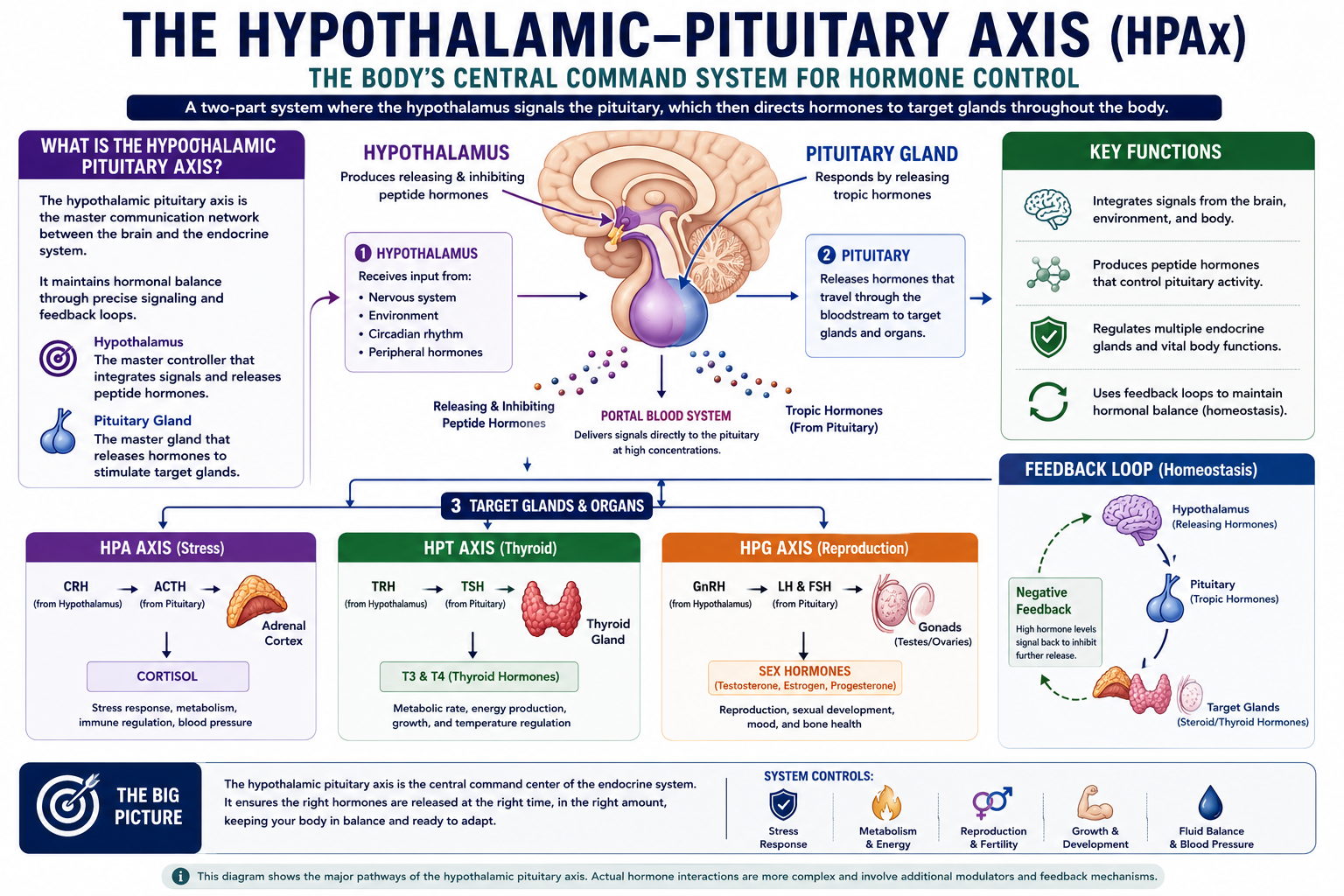
What is the hypothalamic pituitary axis in plain terms?
The hypothalamus can be considered the coordinating center of the endocrine system. It consolidates signals derived from upper cortical inputs, autonomic function, environmental cues such as light and temperature, and peripheral endocrine feedback. In turn, the hypothalamus delivers precise signals to the pituitary gland, which then releases hormones that influence most endocrine systems in the body.
In everyday language, what is the hypothalamic pituitary axis is a two-part biological command and control system that sits at the top of the endocrine hierarchy. The hypothalamus, a small region at the base of the brain, acts as the master controller. It receives input from the nervous system, the environment, and hormonal feedback from the body, then translates all of that information into precise chemical signals sent to the pituitary gland.
The pituitary gland, sometimes called the master gland of the body, sits directly below the hypothalamus in a bony cavity called the sella turcica. It receives the hypothalamus’s signals and responds by releasing its own hormones into the bloodstream, which then travel to target glands throughout the body including the thyroid, adrenal glands, gonads, and liver.
What is the hypothalamic pituitary axis at a functional level is therefore a three tier hierarchy: hypothalamus at the top issuing releasing and inhibiting hormones, pituitary in the middle translating those signals into systemic hormonal commands, and peripheral target glands at the bottom responding to those commands and providing feedback to close the loop.
The Anatomy of the HPA System
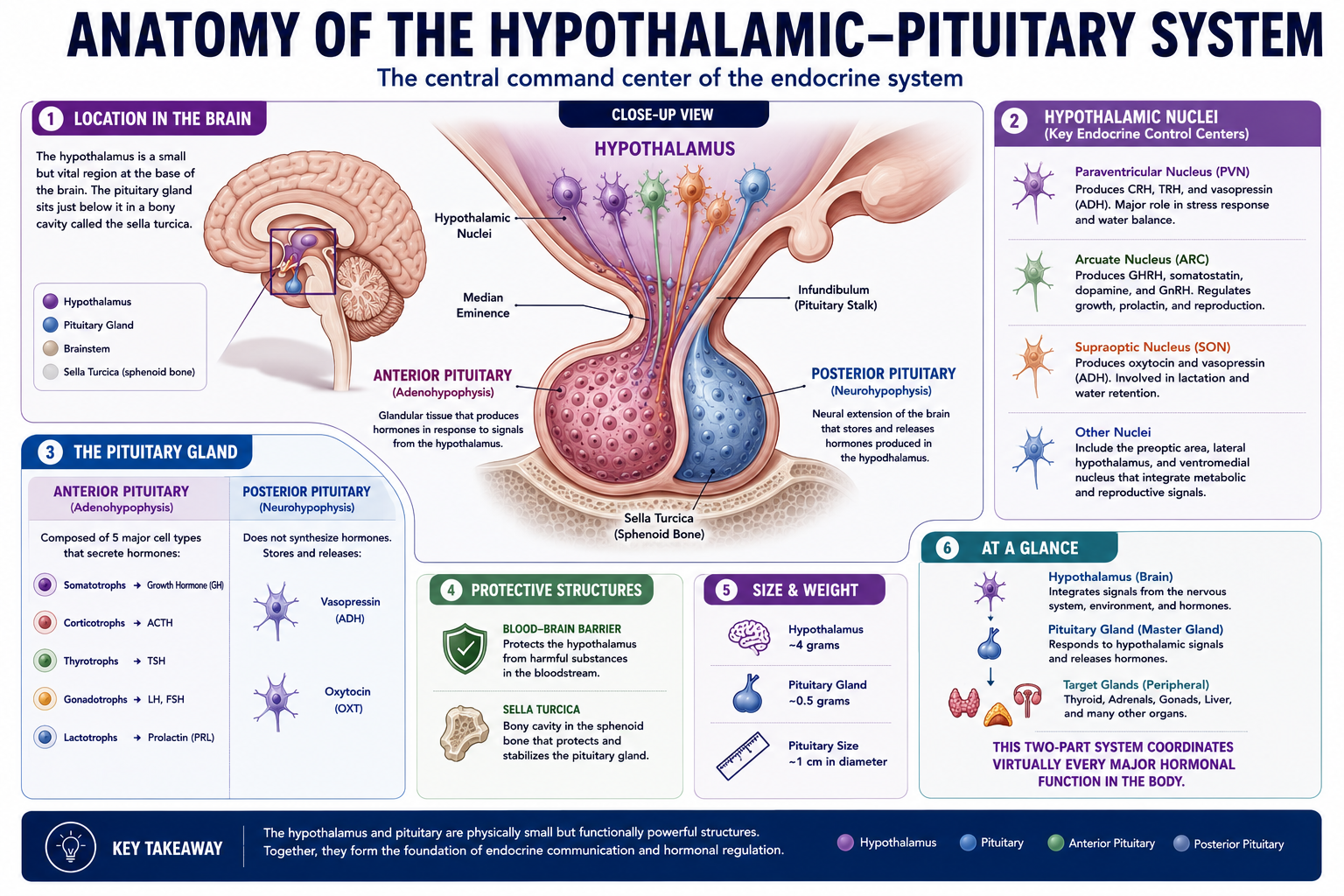
What is the hypothalamic pituitary axis built from anatomically?
Understanding the physical structure of this system is essential for understanding how it functions. The two main components have distinct anatomical features that determine how they communicate.
The Hypothalamus
The hypothalamus is a small but extraordinarily dense structure located at the base of the brain, below the thalamus and above the brainstem. Despite its small size, typically weighing only 4 grams in adult humans, it contains numerous distinct nuclei that serve specialized functions.
Key hypothalamic nuclei relevant to endocrine function include the paraventricular nucleus, which produces corticotropin releasing hormone and arginine vasopressin, and the arcuate nucleus, which produces growth hormone releasing hormone and somatostatin. These nuclei contain specialized neurons whose axon terminals release peptide hormones directly into the portal blood system rather than into the general circulation.
The Pituitary Gland
The pituitary gland consists of two anatomically and functionally distinct lobes:
The anterior pituitary, also called the adenohypophysis, is true glandular tissue. It contains five specialized cell types each producing distinct hormones: somatotrophs producing growth hormone, corticotrophs producing ACTH, thyrotrophs producing TSH, gonadotrophs producing LH and FSH, and lactotrophs producing prolactin.
The posterior pituitary, also called the neurohypophysis, is an extension of the brain itself rather than true glandular tissue. It stores and releases hormones produced in the hypothalamus, primarily oxytocin and vasopressin (ADH), which travel down axons from the hypothalamus to be released into circulation.
How the Hypothalamus Communicates with the Pituitary
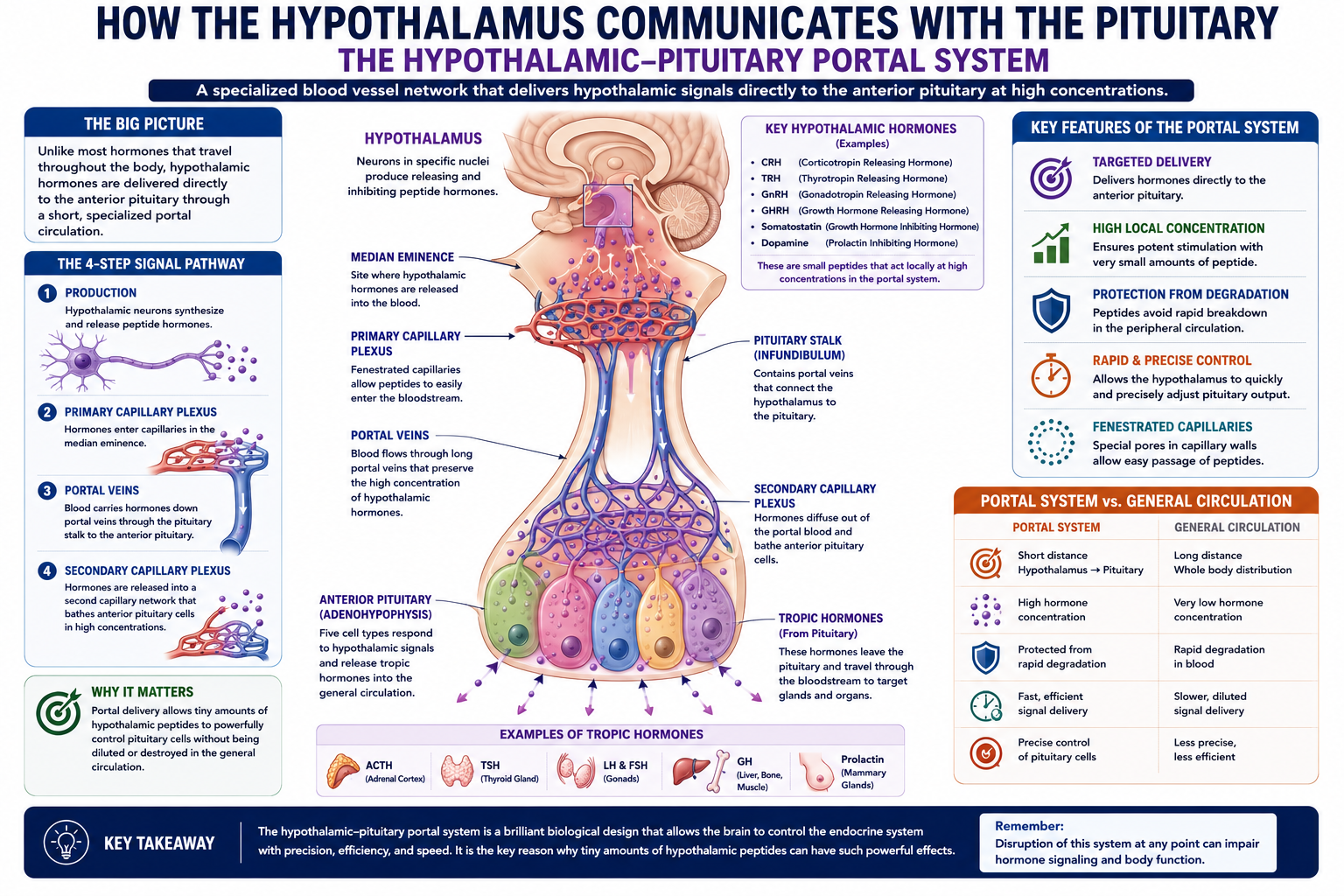
What is the hypothalamic pituitary axis communication mechanism?
The anatomical connection between the hypothalamus and the anterior pituitary does not involve direct nerve connections. Instead, communication occurs through a specialized blood vessel network called the hypothalamic pituitary portal system.
The hypothalamic hormones are small peptides that are generally active only at the relatively high concentrations achieved in the pituitary portal blood system. The small size of hypothalamic hormones and lack of known binding proteins results in rapid degradation and very low concentrations in the peripheral circulation.
The portal system works as follows. Hypothalamic neurons release peptide hormones into a primary capillary network in the median eminence, a structure at the base of the hypothalamus. These capillaries drain into portal veins that travel down the pituitary stalk directly to the anterior pituitary. There, the portal veins branch into a secondary capillary network that bathes the anterior pituitary cells in the hypothalamic hormones at concentrations far higher than would be achievable through the general circulation.
This portal delivery system is what makes the hypothalamic pituitary axis so precisely controllable. Hypothalamic peptide hormones are produced in tiny amounts, are rapidly degraded in general circulation, and act specifically on the anterior pituitary at the locally high concentrations the portal system achieves. The signal is targeted, potent, and short-lived, allowing for rapid and precise modulation of pituitary hormone output.
These regulatory hormones can be releasing hormones or inhibiting hormones, causing more or less of the anterior pituitary hormones to be secreted. These travel from the hypothalamus through the hypophyseal portal system to the anterior pituitary where they exert their effect. Negative feedback then regulates how much of these regulatory hormones are released and how much anterior pituitary hormone is secreted.
The 3 Major Sub-Axes Explained
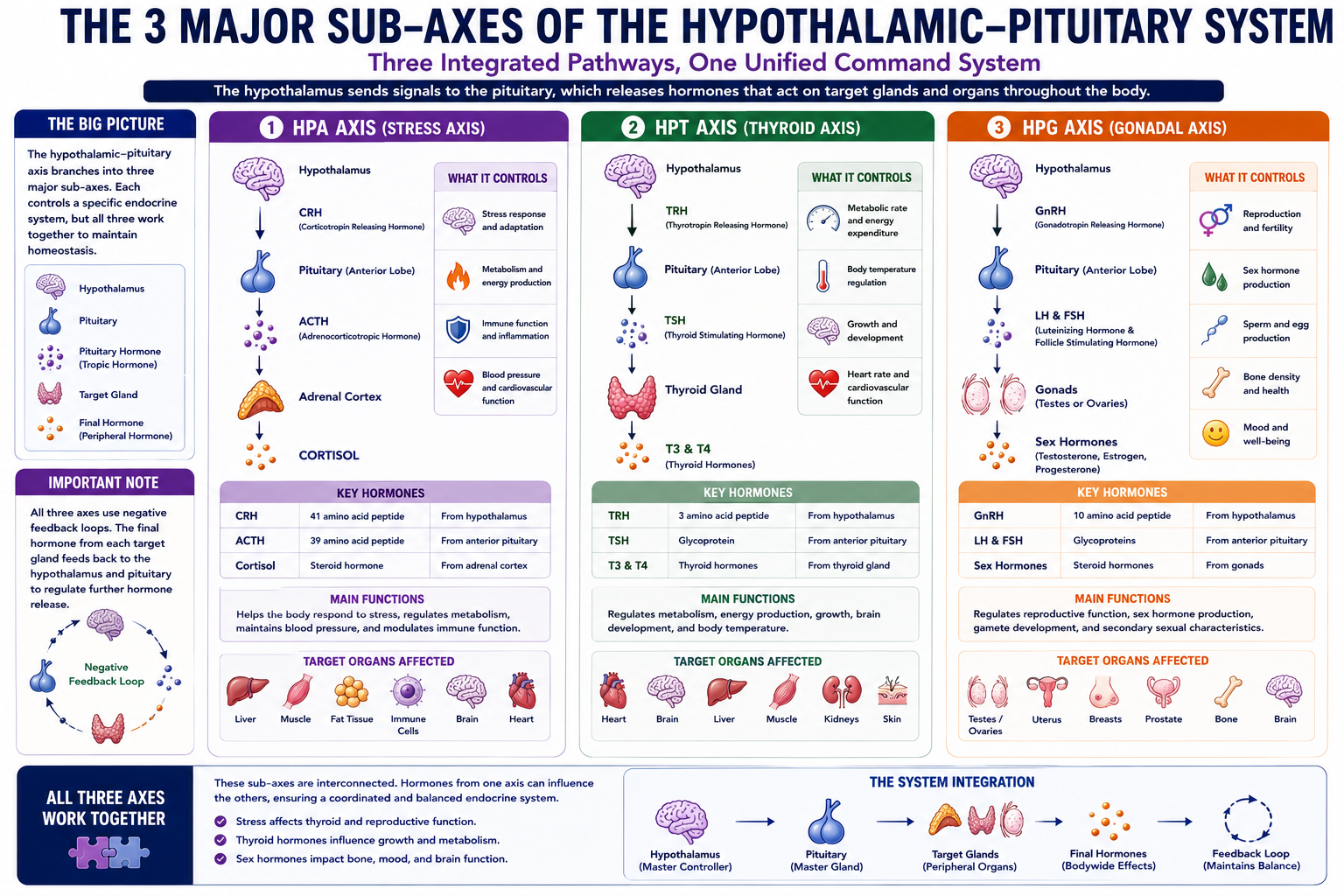
What is the hypothalamic pituitary axis organized into at the functional level?
The hypothalamic pituitary axis branches into three major sub-axes, each governing a distinct hormonal system. Understanding each sub-axis separately clarifies how the overall system coordinates such diverse biological functions.
The 3 Major Sub-Axes of the Hypothalamic Pituitary System
| Sub-Axis | Hypothalamic Signal | Pituitary Response | Target Gland | Final Hormone | Primary Function |
|---|---|---|---|---|---|
| HP-Adrenal (HPA) | CRH | ACTH release | Adrenal cortex | Cortisol | Stress response, metabolism, immune regulation |
| HP-Thyroid (HPT) | TRH | TSH release | Thyroid gland | T3 and T4 | Metabolic rate, energy, temperature regulation |
| HP-Gonadal (HPG) | GnRH | LH and FSH release | Gonads | Testosterone, estrogen, progesterone | Reproduction, sex hormone production |
S-Axis 1: The Hypothalamic Pituitary Adrenal Axis
The hypothalamic pituitary adrenal axis is a complex system of neuroendocrine pathways and feedback loops that function to maintain physiological homeostasis. The HPA axis consists of a cascade of endocrine pathways involving the hypothalamus, anterior pituitary gland, and adrenal gland.
The HPA axis governs the stress response and cortisol regulation. When the hypothalamus detects stress signals through neural input, it releases corticotropin releasing hormone (CRH) into the portal system. CRH stimulates the anterior pituitary to release adrenocorticotropic hormone (ACTH). ACTH travels to the adrenal cortex where it stimulates the production and release of cortisol.
The HPA axis is regulated through coordinated control at two key levels: hormone release from the hypothalamus and subsequent signalling within the anterior pituitary. Two key factors stimulate the release of corticotropin releasing hormone: diurnal rhythm, as cortisol secretion follows a daily pattern with levels highest in the early morning and lowest at night, and stressors including physical, emotional, and metabolic stressors such as fear, infection, hypoglycaemia, and blood loss.
Sub-Axis 2: The Hypothalamic Pituitary Thyroid Axis
The HPT axis regulates thyroid hormone production, which controls metabolic rate, energy production, body temperature, and numerous other fundamental physiological processes. The hypothalamus releases thyrotropin releasing hormone (TRH), which stimulates the anterior pituitary to release thyroid stimulating hormone (TSH), which drives the thyroid gland to produce the thyroid hormones T3 and T4.
Sub-Axis 3: The Hypothalamic Pituitary Gonadal Axis
The hypothalamic pituitary gonadal axis is defined as the hormonal system that regulates testosterone production and spermatogenesis through the release of gonadotropin releasing hormone from the hypothalamus, which stimulates the pituitary gland to produce luteinizing hormone and follicle stimulating hormone. This axis is critical for maintaining hormonal balance and reproductive function throughout adulthood.
The HPG axis governs reproductive hormone production. GnRH from the hypothalamus drives LH and FSH from the pituitary, which in turn stimulate the gonads to produce testosterone in males and estrogen and progesterone in females.
The growth hormone axis, while sometimes listed separately, also operates through this same hypothalamic pituitary framework, with GHRH and somatostatin from the hypothalamus controlling GH release from the pituitary, as covered in our post on [what is a growth hormone secretagogue].
Feedback Loops, How the System Regulates Itself
What is the hypothalamic pituitary axis feedback mechanism?
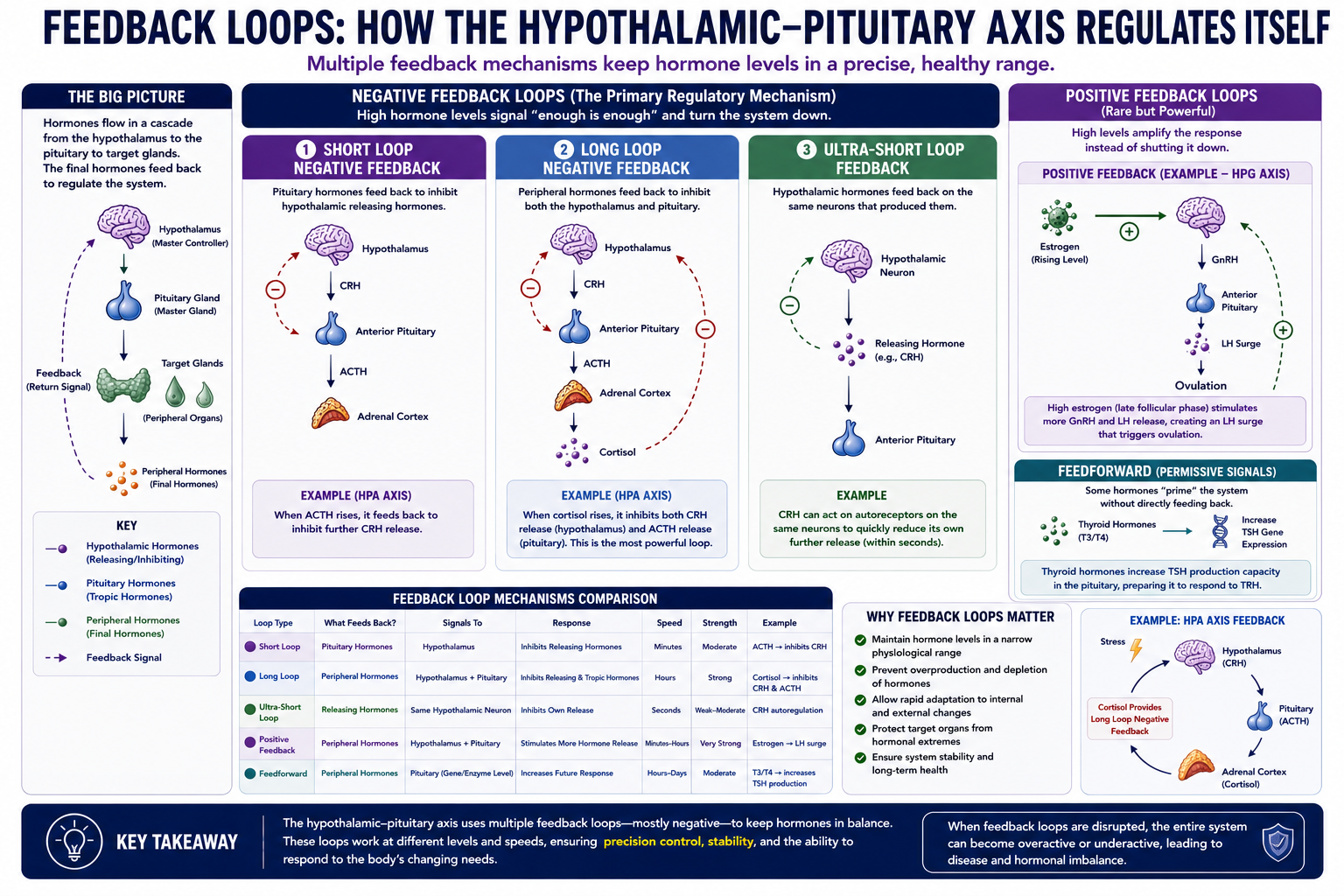
The self regulating nature of the hypothalamic pituitary axis is one of its most important features. Each sub-axis uses negative feedback loops to maintain hormone levels within precise physiological ranges.
Feedback Loop Mechanisms Comparison Table
| Feedback Type | How It Works | Speed | Example |
|---|---|---|---|
| Short loop negative feedback | Pituitary hormones feed back to inhibit hypothalamic releasing hormones | Fast, minutes | ACTH inhibiting CRH release |
| Long loop negative feedback | Peripheral gland hormones feed back to inhibit both hypothalamus and pituitary | Moderate, hours | Cortisol inhibiting both CRH and ACTH |
| Ultra-short loop feedback | Hypothalamic hormones feed back on the same neurons that produced them | Very fast, seconds | CRH neurons auto-regulating |
| Positive feedback | Peripheral hormones amplify the upstream signal (rare, context specific) | Variable | Estrogen surge driving LH peak at ovulation |
The negative feedback principle works as follows. When cortisol levels in the blood rise above the physiological set point, cortisol itself binds to glucocorticoid receptors in the hypothalamus and anterior pituitary. This binding suppresses further CRH and ACTH release, reducing the stimulus for additional cortisol production. As cortisol levels fall back toward the set point, the suppression lifts and the system can stimulate production again.
The HPA axis can be activated in three ways: activation due to the internal biological clock located in the hypothalamic suprachiasmatic nucleus which maintains a rhythmic activity creating a circadian rhythm, the pulsatile release of hormones and the negative feedback loops within the HPA axis, and stressful situations which can lead to an additional release of cortisol superimposed on the circadian and ultradian rhythms.
This multi-layered feedback system is what gives the hypothalamic pituitary axis its remarkable stability and precision. Disruption at any level of the feedback loop, whether through disease, chronic stress, or pharmaceutical interference, propagates effects throughout the entire axis.
Peptide Hormones of the Hypothalamic Pituitary Axis
What is the hypothalamic pituitary axis built from at the molecular level?
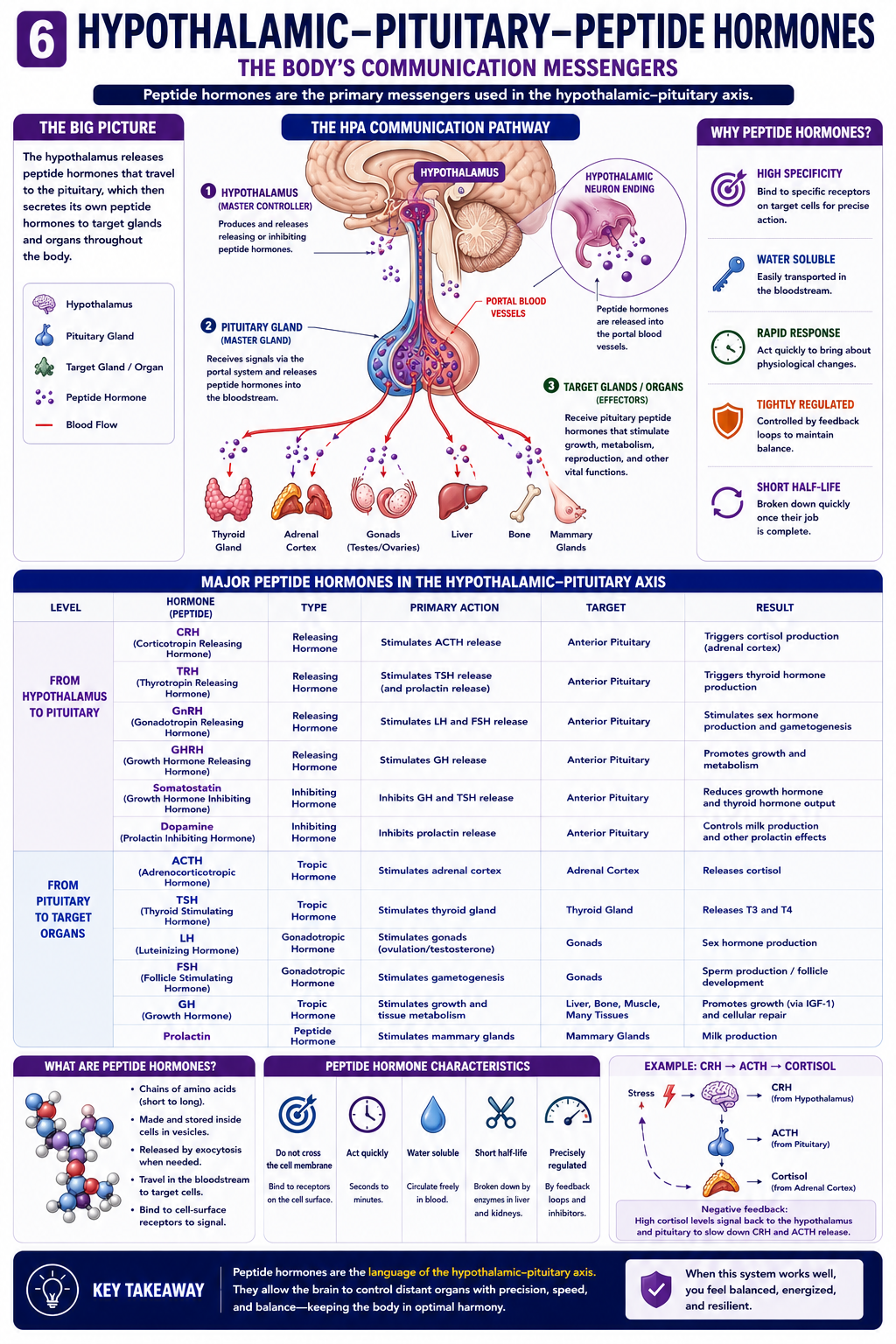
The hypothalamic hormones are small peptides that are generally active only at the relatively high concentrations achieved in the pituitary portal blood system.
Virtually every signaling molecule in the hypothalamic pituitary axis is a peptide. This makes understanding [how peptides work in the body] directly relevant to understanding how this entire hormonal command system functions. The hypothalamus communicates through peptide releasing hormones. The pituitary responds by releasing peptide tropic hormones. The peripheral glands produce steroid hormones, thyroid hormones, and in some cases peptide hormones as end products.
Peptide Hormones of the Hypothalamic Pituitary Axis
| Hormone | Source | Type | Primary Target | Function |
|---|---|---|---|---|
| CRH | Hypothalamus | 41 amino acid peptide | Anterior pituitary corticotrophs | Stimulates ACTH release |
| TRH | Hypothalamus | 3 amino acid peptide | Anterior pituitary thyrotrophs | Stimulates TSH release |
| GnRH | Hypothalamus | 10 amino acid peptide | Anterior pituitary gonadotrophs | Stimulates LH and FSH release |
| GHRH | Hypothalamus | 44 amino acid peptide | Anterior pituitary somatotrophs | Stimulates GH release |
| Somatostatin | Hypothalamus | 14 amino acid peptide | Anterior pituitary somatotrophs | Inhibits GH release |
| ACTH | Anterior pituitary | 39 amino acid peptide | Adrenal cortex | Stimulates cortisol production |
| TSH | Anterior pituitary | Glycoprotein peptide | Thyroid gland | Stimulates T3 and T4 production |
| LH | Anterior pituitary | Glycoprotein peptide | Gonads | Stimulates sex hormone production |
| FSH | Anterior pituitary | Glycoprotein peptide | Gonads | Stimulates gamete development |
| GH | Anterior pituitary | 191 amino acid peptide | Liver, muscle, bone, adipose | Stimulates IGF-1, growth, metabolism |
| Oxytocin | Hypothalamus stored in posterior pituitary | 9 amino acid peptide | Uterus, mammary glands, brain | Bonding, labor, lactation |
| ADH (Vasopressin) | Hypothalamus stored in posterior pituitary | 9 amino acid peptide | Kidneys, blood vessels | Water retention, blood pressure |
The peptide nature of these hormones has profound implications for how they can be studied, modeled, and potentially interacted with through research compounds. Each peptide hormone listed above has a specific receptor, a specific signaling cascade it activates, and a specific biological outcome it produces, consistent with the mechanisms described in our post on [how peptides work in the body].
How the Axis Changes With Age
What is the hypothalamic pituitary axis doing differently across the lifespan?
The hypothalamic pituitary axis does not function identically throughout life. Each sub-axis undergoes characteristic changes with aging that have significant implications for endocrine biology and research:
Age Related Changes in Hypothalamic Pituitary Axis Function
| Sub-Axis | Change With Age | Consequence |
|---|---|---|
| HP-GH Axis | GHRH pulse amplitude declines, GH secretion reduces approximately 14% per decade after 30 | Reduced IGF-1, changes in body composition, slower tissue repair |
| HP-Adrenal Axis | Baseline cortisol rises slightly, feedback sensitivity decreases | Blunted stress response recovery, increased low grade inflammation |
| HP-Thyroid Axis | TSH levels tend to rise slightly, T3 and T4 may decrease | Subclinical hypothyroidism becomes more common |
| HP-Gonadal Axis | GnRH pulsatility changes, gonadal hormone production declines | Menopause in women, gradual testosterone decline in men |
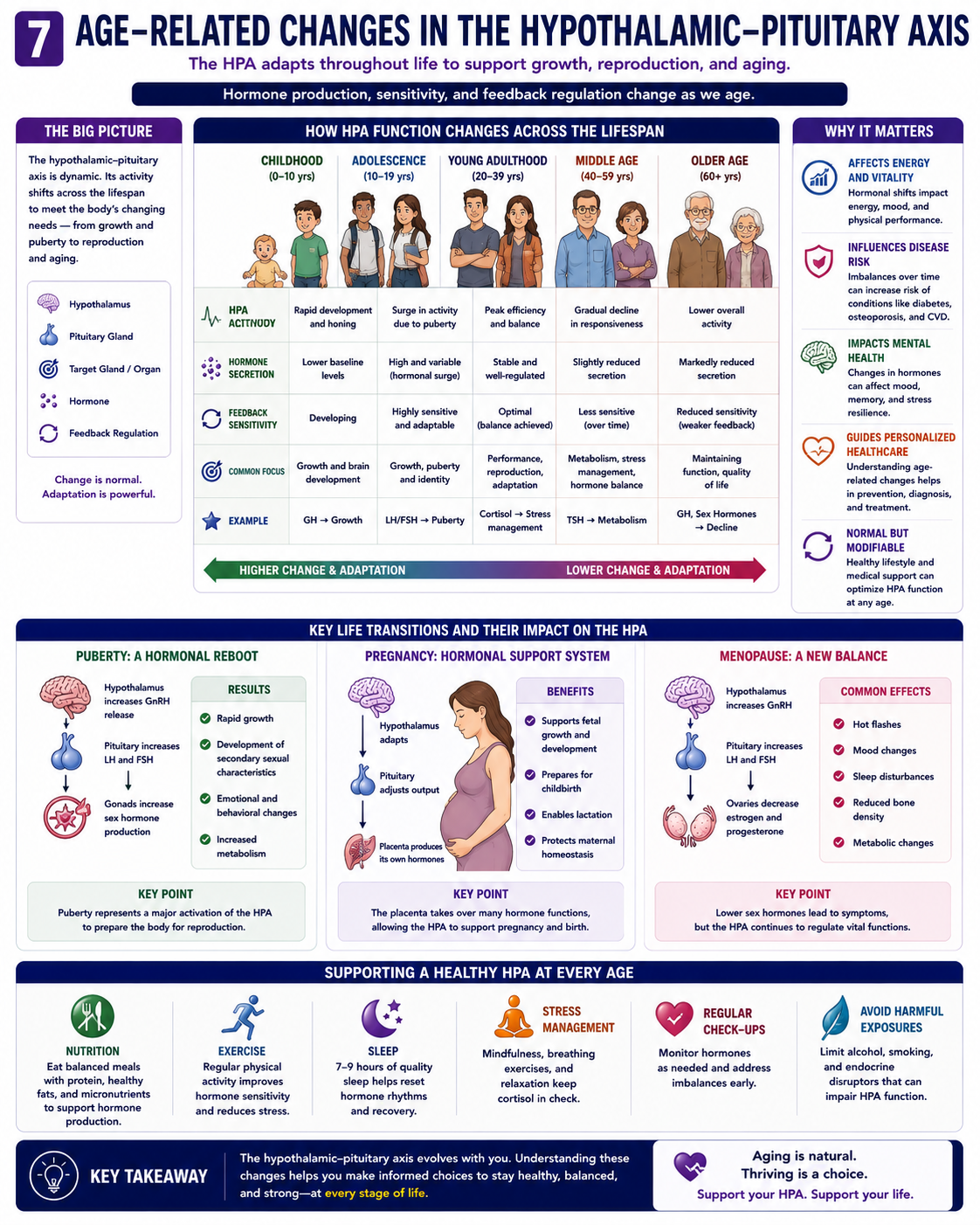
The age related decline in the growth hormone axis is one of the most extensively studied aspects of hypothalamic pituitary aging. Research consistently documents that both the amplitude of GH pulses and the pituitary’s response to GHRH stimulation decrease progressively with age. This decline is believed to contribute to age related changes in body composition, metabolic function, bone density, and tissue repair capacity.
The altered feedback sensitivity of the HPA axis with age is another area of active research. Older individuals tend to show a slower return to baseline cortisol levels after stress, suggesting reduced sensitivity of the negative feedback mechanism. This contributes to the low grade chronic inflammatory state, sometimes called inflammaging, that is a characteristic feature of biological aging.
More detail on the research literature covering age related changes in hormonal axes is available through the National Library of Medicine and peer reviewed research databases.
What Disrupts the Hypothalamic Pituitary Axis?
What is the hypothalamic pituitary axis vulnerable to?
Understanding disruption of what is the hypothalamic pituitary axis is important for appreciating why maintaining the integrity of this system matters so profoundly for overall health.
Common Disruptors of the Hypothalamic Pituitary Axis
| Disruptor | Mechanism | Axis Affected | Consequence |
|---|---|---|---|
| Chronic stress | Sustained CRH activation, feedback desensitization | HPA | Elevated cortisol, immune suppression, metabolic disruption |
| Exogenous steroid administration | Suppresses natural HPA feedback | HPA | Adrenal suppression, axis shutdown |
| Exogenous sex hormones | Suppresses GnRH pulsatility | HPG | Reduced natural testosterone or estrogen production |
| Pituitary adenoma | Autonomous hormone production | Any sub-axis | Excess hormone output without feedback control |
| Hypothalamic lesions | Disrupts releasing hormone production | All sub-axes | Multiple hormonal deficiencies |
| Significant caloric restriction | Reduces GnRH and GH pulsatility | HPG and GH | Reproductive suppression, reduced GH output |
| Sleep disruption | Disrupts circadian GH pulse | GH axis | Reduced nocturnal GH release |
| Obesity | Increases somatostatin tone, reduces GH | GH axis | Blunted GH pulsatility |
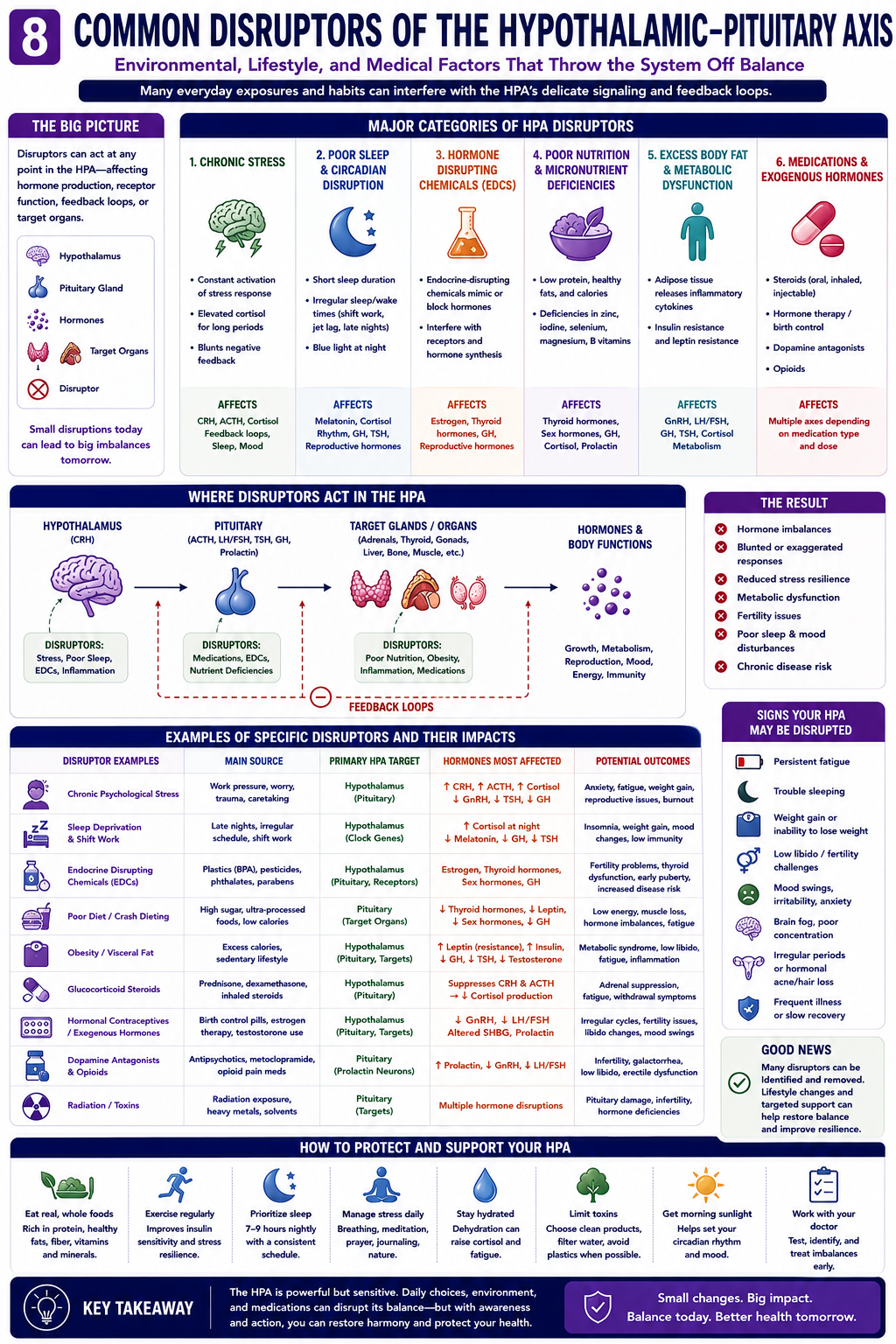
The suppression of natural axis function by exogenous hormone administration deserves particular attention. When the body detects elevated levels of a hormone in circulation, the feedback mechanisms reduce upstream stimulation. Long term suppression of natural production through this mechanism can result in axis function that is slow to recover after administration stops.
This is one of the core biological reasons why understanding what is the hypothalamic pituitary axis matters in the context of peptide and hormone research. Compounds that interact with this system, whether secretagogues that stimulate natural production or exogenous hormones that may suppress it, do so within the context of a tightly regulated feedback architecture.
Frequently Asked Questions
What is the hypothalamic pituitary axis in simple terms?
What is the hypothalamic pituitary axis is a two part biological control system where the hypothalamus in the brain sends precise chemical signals to the pituitary gland, which then releases hormones that control major glands throughout the body including the thyroid, adrenal glands, and gonads.
What is the hypothalamic pituitary axis role in hormone regulation?
What is the hypothalamic pituitary axis doing at its core is maintaining hormonal homeostasis across multiple systems simultaneously. It integrates inputs from the nervous system, environment, and hormonal feedback to continuously adjust the output of every major endocrine gland in the body.
What is the difference between the HPA, HPT, and HPG axes?
These are the three major sub-axes of what is the hypothalamic pituitary axis system. The HPA axis controls cortisol and stress response through the adrenal glands. The HPT axis controls metabolic rate through the thyroid gland. The HPG axis controls reproductive hormones through the gonads.
What are the peptide hormones of the hypothalamic pituitary axis?
Virtually all signaling molecules in what is the hypothalamic pituitary axis are peptides. Key examples include CRH, TRH, GnRH, GHRH, and somatostatin from the hypothalamus, and ACTH, TSH, LH, FSH, and GH from the anterior pituitary. Each is a short to medium length amino acid chain acting through specific receptors.
What is the hypothalamic pituitary portal system?
The hypothalamic pituitary portal system is the specialized blood vessel network that carries hypothalamic peptide hormones directly to the anterior pituitary at concentrations far higher than would be achievable through the general circulation. This targeted delivery system is what allows tiny amounts of hypothalamic hormones to precisely control pituitary function.
How does the hypothalamic pituitary axis change with age?
What is the hypothalamic pituitary axis showing with age includes declining GH pulse amplitude, slightly rising cortisol baseline with reduced feedback sensitivity, increasing TSH with decreasing T3 and T4, and changing GnRH pulsatility affecting sex hormone production. These changes contribute to many of the functional changes associated with biological aging.
What disrupts the hypothalamic pituitary axis?
What is the hypothalamic pituitary axis disrupted by includes chronic stress, exogenous hormone administration, pituitary tumors, hypothalamic lesions, significant caloric restriction, sleep disruption, and obesity, each affecting different sub-axes through different mechanisms.
Key Takeaways
- What is the hypothalamic pituitary axis is the central command system of the endocrine hierarchy, with the hypothalamus controlling the pituitary which controls peripheral glands throughout the body
- The hypothalamus communicates with the anterior pituitary through the portal blood system, delivering peptide hormones at locally high concentrations to precisely control pituitary cell activity
- Three major sub-axes govern distinct hormonal systems: the HPA axis controlling cortisol and stress response, the HPT axis controlling thyroid and metabolic function, and the HPG axis controlling reproductive hormones
- Negative feedback loops at multiple levels maintain hormonal homeostasis. Peripheral hormone levels suppress upstream releasing and tropic hormone production to keep the system within physiological range
- Virtually all signaling molecules in what is the hypothalamic pituitary axis are peptides, from the tiny 3 amino acid TRH through ACTH at 39 amino acids and GH at 191 amino acids
- The axis changes with age in characteristic ways across all sub-axes, with the GH axis showing the most dramatic decline beginning in the third decade of life
- Disruption from chronic stress, exogenous hormone administration, or structural lesions can suppress natural axis function and alter the feedback architecture that maintains hormonal balance
Continue Learning
This post is part of a growing educational library on peptide science and endocrine biology. Related reading:
- [What Is a Peptide?] The foundational guide to what peptides are and how they function as biological signals
- [How Do Peptides Work in the Body?] The complete guide to receptor binding, signal transduction, and cellular communication modes
- [What Is a Growth Hormone Secretagogue?] How specific compounds interact with the GH sub-axis of the hypothalamic pituitary system
- What Is Collagen and How Does It Differ From Collagen Peptides? Coming next in this educational series
Subscribe for updates as this educational library continues to grow, evidence based science explained clearly without hype.
This content is for educational and informational purposes only. It does not constitute medical advice, diagnosis, or treatment recommendations. Always consult a qualified healthcare professional before making any decisions related to your health.