Vial products: price per kit of 10 vials. Quantity 1 = 10 vials. Capsule products are priced per capsule pack as listed. Dismiss
By Pepkitshop | Peptide Research Education
Updated August 2026 | Educational Content, Not Medical Advice
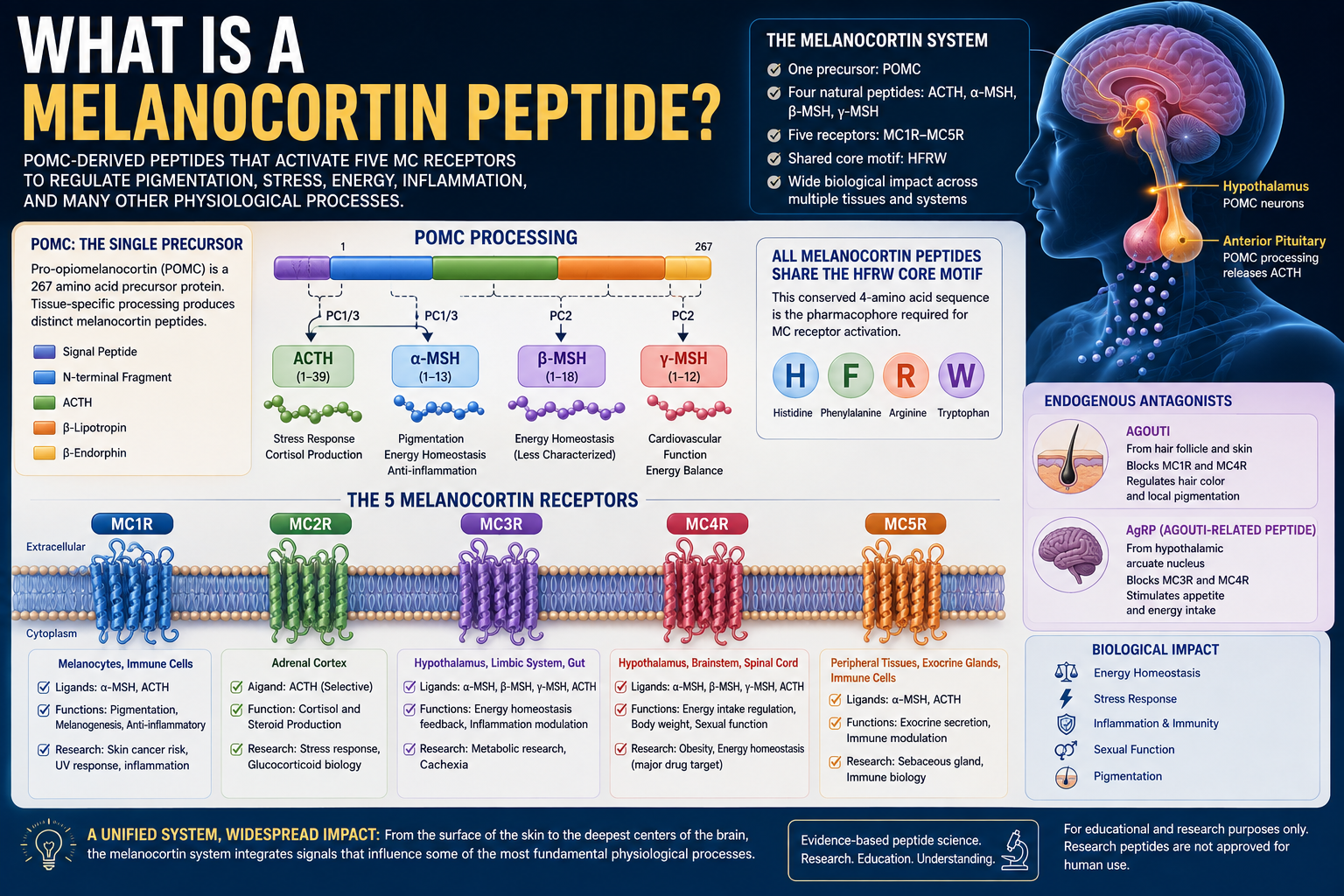
What is a melanocortin peptide and why does this family of signaling molecules sit at the intersection of so many different areas of biological research?
The melanocortin system is one of the most biologically versatile peptide signaling networks in human physiology. A single precursor protein gives rise to four distinct peptide hormones that collectively regulate skin pigmentation, the stress response, energy homeostasis, inflammation, immune function, sexual behavior, and exocrine gland secretion through five different receptor subtypes with distinct tissue distributions and signaling properties.
Understanding what is a melanocortin peptide means understanding a biological system whose reach extends from the surface of a melanocyte to the deepest centers of hypothalamic energy regulation. It is a system that has been studied since 1916, that produced one of the first peptide hormone discoveries in endocrinology history, and that continues to generate significant research findings in 2026 including a structural discovery about calcium as a receptor cofactor that fundamentally changes the understanding of how these peptides engage their receptors.
This guide explains what is a melanocortin peptide completely, from the POMC precursor through the five receptor subtypes, the conserved core sequence that defines the entire class, the receptor mechanisms, the research areas the system intersects with, and the most current 2026 findings.
If you are new here, start with our guide on [what a peptide actually is] and our post on [how peptides work in the body] before continuing. Understanding receptor binding and GPCR signaling first makes the melanocortin biology significantly clearer.
What is a melanocortin peptide in plain biological terms?
Melanocortins are derived from post-translational processing of the pro-opiomelanocortin (POMC) precursor protein and consist of melanocyte-stimulating hormones including alpha-MSH, beta-MSH, and gamma-MSH and adrenocorticotropic hormone (ACTH). These peptide hormones regulate important physiological functions, including skin pigmentation, steroidogenesis, and inflammation, by activating a family of G-protein coupled melanocortin receptors named from MC1 to MC5.
In plain terms, what is a melanocortin peptide is any member of a family of peptide hormones derived from a single large precursor protein, POMC, that activates one or more of the five melanocortin receptors (MC1R through MC5R). All melanocortin peptides share a conserved four amino acid sequence at their core that is responsible for receptor activation.
The discovery of melanocortins in 1916 has resulted in more than 100 years of research focused on these peptides. Extensive studies have elucidated well-established functions of melanocortins mediated by cell surface receptors, including the melanocyte-stimulating hormone receptor and the adrenocorticotropin receptor. Subsequently, three additional melanocortin receptors were identified. Among these five MCRs, MC3R and MC4R are expressed primarily in the central nervous system and are therefore referred to as the neural MCRs.
What is a melanocortin peptide as a category therefore encompasses some of the most historically significant peptide hormones in endocrinology. ACTH, adrenocorticotropic hormone, was one of the first peptide hormones characterized and was the subject of intense pharmaceutical research for decades before the broader melanocortin receptor system was understood. Alpha-MSH, the archetypal melanocyte-stimulating hormone, remains one of the most studied peptide hormones in biology.
What is a melanocortin peptide derived from at the biosynthetic level?
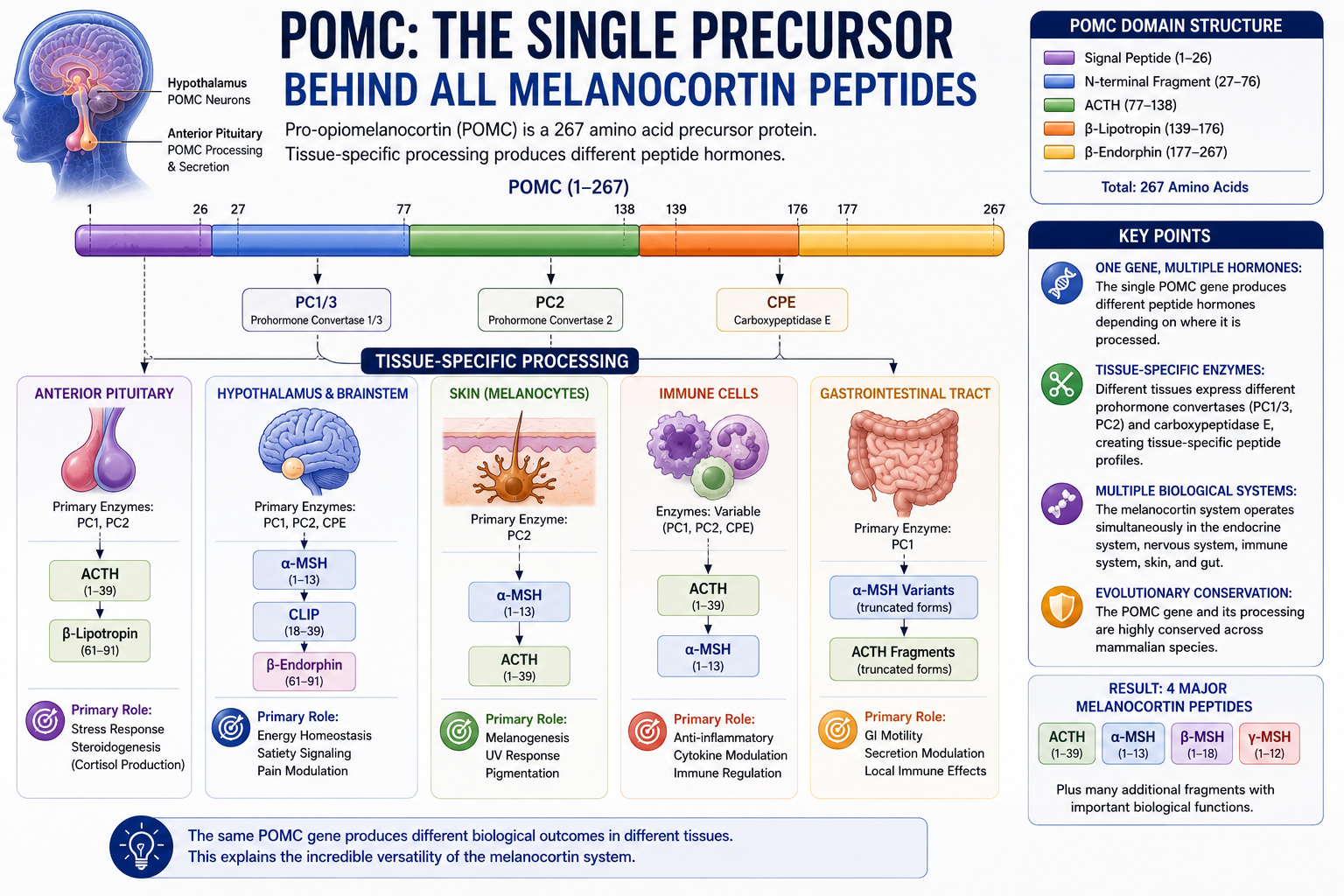
Melanocortins, with a highly conserved His-Phe-Arg-Trp (HFRW) sequence motif and consisting of adrenocorticotropic hormone (ACTH) and three melanocyte-stimulating hormones (alpha-MSH, beta-MSH, and gamma-MSH), are derived from tissue-specific posttranslational processing of pro-opiomelanocortin (POMC). POMC is a precursor of polypeptide hormones, mainly secreted by the anterior pituitary, hypothalamus and brainstem.
POMC, pro-opiomelanocortin, is a 267 amino acid precursor protein that is enzymatically cleaved in different ways depending on which tissue is doing the processing. This tissue-specific processing is what determines which melanocortin peptides are produced in a given location.
| Tissue | Primary Processing Enzymes | Primary Products | Biological Role |
|---|---|---|---|
| Anterior pituitary | PC1, PC2 | ACTH, beta-lipotropin | Stress response, steroidogenesis |
| Hypothalamus and brainstem | PC1, PC2, carboxypeptidase E | Alpha-MSH, CLIP, beta-endorphin | Energy homeostasis, satiety |
| Skin melanocytes | PC2 | Alpha-MSH, ACTH | Pigmentation response to UV |
| Immune cells | Variable | ACTH, alpha-MSH | Local immune modulation |
| Gastrointestinal tract | PC1 | Alpha-MSH variants | GI function modulation |
The tissue-specific processing principle explains why the same POMC gene produces different biological outcomes in different locations. In the anterior pituitary, POMC is primarily processed into ACTH and beta-lipotropin, making the pituitary the primary source of circulating ACTH for adrenal cortisol stimulation. In the hypothalamus and brainstem, further processing of ACTH produces alpha-MSH, which is the primary melanocortin involved in central energy regulation. In the skin, alpha-MSH production is stimulated by UV radiation and drives melanin production in melanocytes.
This biosynthetic architecture, one gene producing different hormones in different tissues, gives the melanocortin system a biological versatility that few other peptide families match. Understanding what is a melanocortin peptide requires appreciating that the system operates simultaneously across multiple tissues producing different members of the same family for different purposes.
What is a melanocortin peptide defined by at the molecular level?
The agonists of the receptor, the melanocyte-stimulating hormones, are derived from proopiomelanocortin by proteolysis, and all have a conserved core tetrapeptide sequence His-Phe-Arg-Trp, which is the minimal sequence required for activation of the receptor.
His-Phe-Arg-Trp histidine, phenylalanine, arginine, tryptophan. This four amino acid sequence is the pharmacophore of the entire melanocortin class. It is the structural core that engages the receptor binding site. It is present in all natural melanocortin peptides and in virtually all synthetic melanocortin analogs studied in research.
Melanocortins with a highly conserved His-Phe-Arg-Trp (HFRW) sequence motif are derived from tissue-specific posttranslational processing of pro-opiomelanocortin (POMC).
The HFRW motif interacts with a specific binding pocket in the melanocortin receptor. The phenylalanine residue inserts into a hydrophobic cavity in the receptor, the arginine forms salt bridge interactions with negatively charged receptor residues, and the tryptophan contributes hydrophobic contacts with the transmembrane domain of the receptor. Histidine participates in the calcium cofactor interaction that was recently elucidated in structural biology research.
What is a melanocortin peptide therefore unified by this conserved four amino acid pharmacophore, which provides both the mechanistic explanation for why all natural melanocortins activate the same receptor family and the structural template from which synthetic melanocortin analogs are designed.
What is a melanocortin peptide activating through the five receptor subtypes?
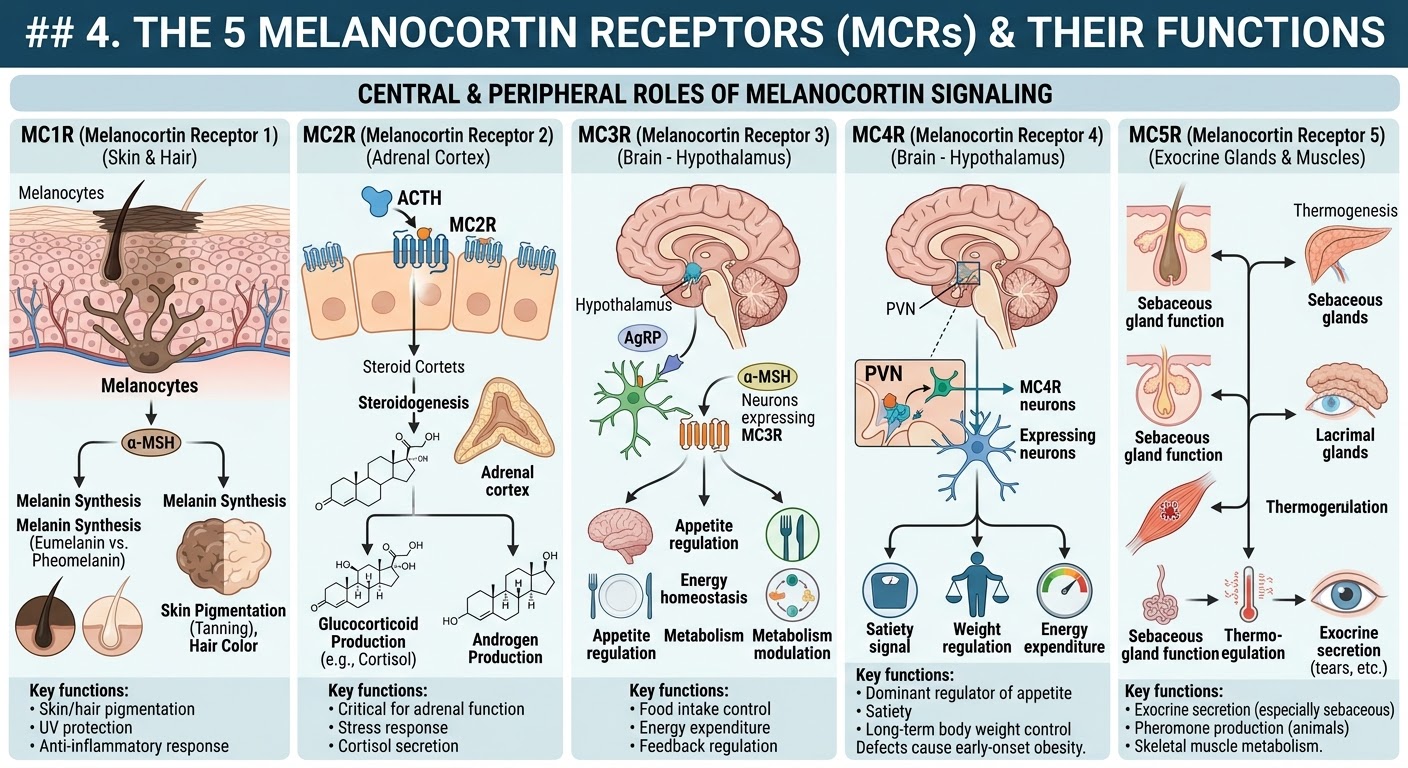
Melanocortin receptors are a family of five class A G protein-coupled receptors designated MC1R through MC5R that are activated by melanocortin peptides derived from the precursor pro-opiomelanocortin. All five receptors couple to the stimulatory G-protein Gαs, leading to activation of adenylate cyclase and subsequent production of cyclic adenosine monophosphate. Ligand specificity varies among the receptor subtypes: MC2R is selective for ACTH, whereas MC1R, MC3R, MC4R, and MC5R can be activated by various melanocortins with differing affinities.
| Receptor | Primary Location | Natural Ligands | Primary Biological Function | Research Significance |
|---|---|---|---|---|
| MC1R | Melanocytes, melanoma cells, immune cells | Alpha-MSH, ACTH | Skin pigmentation, melanogenesis, anti-inflammatory signaling | Skin cancer risk, UV response, inflammation |
| MC2R | Adrenal cortex | ACTH only | Cortisol and steroid production, HPA axis regulation | Stress response, glucocorticoid biology |
| MC3R | Hypothalamus, limbic system, gut | Alpha-MSH, beta-MSH, gamma-MSH, ACTH | Energy homeostasis feedback, inflammation modulation | Metabolic research, cachexia |
| MC4R | Hypothalamus, brainstem, spinal cord | Alpha-MSH, beta-MSH, gamma-MSH, ACTH | Energy intake regulation, body weight, sexual function | Obesity research, energy homeostasis |
| MC5R | Peripheral tissues, exocrine glands, immune cells | Alpha-MSH, ACTH | Exocrine gland secretion, immune modulation | Sebaceous gland research, immune biology |
MC1R is the most historically studied melanocortin receptor, primarily because of its role in determining skin and hair pigmentation. MC1R variants are associated with red hair, fair skin, and increased melanoma risk. Beyond pigmentation, MC1R expressed on immune cells mediates important anti-inflammatory effects of melanocortin signaling.
MC2R is unique among the five receptors because it is the only one that can be activated exclusively by ACTH and not by any of the MSH peptides. This selectivity reflects structural differences in the receptor binding pocket that prevent MSH binding. MC2R is the primary mediator of ACTH-stimulated cortisol production in the adrenal cortex.
MC3R and MC4R are the neural melanocortin receptors, expressed primarily in the central nervous system where they form the central melanocortin system that regulates energy homeostasis. Alpha-MSH produced in the hypothalamus activates MC4R to suppress appetite and increase energy expenditure. AgRP, the endogenous antagonist, blocks MC4R to stimulate appetite.
The melanocortin-4 receptor is involved in energy homeostasis and is an important drug target for syndromic obesity.
MC5R is the least understood of the five receptors. It is expressed widely in peripheral tissues and exocrine glands including sebaceous glands, lacrimal glands, and Harderian glands. Research has documented roles in sebaceous gland secretion and immune cell function.
What is a melanocortin peptide producing at the intracellular signaling level?
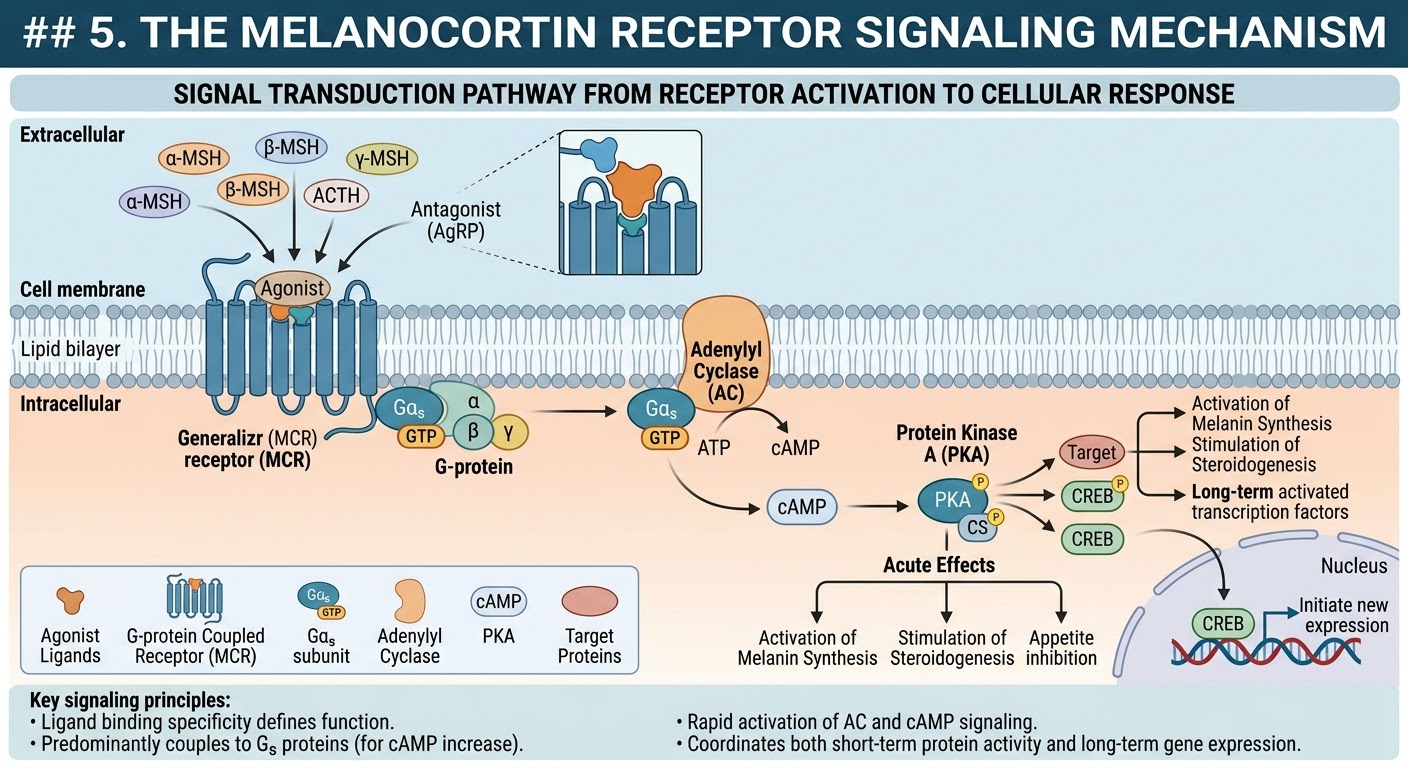
All five receptors couple to the stimulatory G-protein Gαs, leading to activation of adenylate cyclase and subsequent production of cyclic adenosine monophosphate.
All five melanocortin receptors share the same fundamental signaling architecture: they are Gs-coupled GPCRs that activate adenylyl cyclase when bound by their ligands, producing cAMP as the primary second messenger. The cAMP produced then activates protein kinase A, which phosphorylates multiple downstream targets that mediate the biological effects specific to each receptor and cell type.
| Step | Event | Consequence |
|---|---|---|
| 1 | Melanocortin peptide binds receptor with HFRW motif engaging binding pocket | Receptor conformational change |
| 2 | Gαs protein activated by receptor | Adenylyl cyclase stimulated |
| 3 | cAMP produced from ATP | Second messenger cascade initiated |
| 4 | PKA activated by cAMP | Multiple downstream phosphorylation events |
| 5 | Tissue-specific downstream effects | Melanin synthesis (MC1R), cortisol production (MC2R), appetite suppression (MC4R), etc |
The ability of the MC4R crystallized construct to couple to ion channel Kir7.1 while lacking cyclic adenosine monophosphate stimulation highlights a heterotrimeric GTP-binding protein independent mechanism for this signaling modality.
This finding from the structural biology of MC4R is significant: the receptor can produce biological effects through a G-protein independent mechanism involving direct coupling to an ion channel. This means the complete signaling repertoire of melanocortin receptors extends beyond the canonical cAMP pathway and includes ion channel modulation that may not require G-protein involvement at all. The biological implications of this alternative signaling mode continue to be investigated.
What is a melanocortin peptide in terms of the specific natural compounds?
| Peptide | Length | Primary Receptor Targets | Primary Source | Key Function |
|---|---|---|---|---|
| ACTH | 39 amino acids | MC1R, MC2R, MC3R, MC4R, MC5R | Anterior pituitary | Stress response, cortisol stimulation |
| Alpha-MSH | 13 amino acids | MC1R, MC3R, MC4R, MC5R | Hypothalamus, skin | Pigmentation, energy homeostasis, anti-inflammation |
| Beta-MSH | 18 amino acids | MC3R, MC4R | Hypothalamus | Energy homeostasis, limited characterization |
| Gamma-MSH | 12 amino acids | MC3R | Pituitary, hypothalamus | Cardiovascular regulation, energy balance |
ACTH is the largest natural melanocortin at 39 amino acids. It contains the HFRW core motif within its sequence and activates all five melanocortin receptors, though with highest affinity for MC2R in the adrenal cortex. ACTH is the primary downstream effector of the hypothalamic pituitary adrenal axis stress response.
Alpha-MSH is the most studied and biologically versatile melanocortin. It is a 13 amino acid peptide produced by cleavage of ACTH in peripheral tissues including the hypothalamus, skin, and immune cells. Alpha-MSH is the primary mediator of UV-induced skin tanning through MC1R, the primary hypothalamic appetite-suppressing signal through MC4R, and an important anti-inflammatory mediator through both central and peripheral mechanisms.
Due to the short half-life of alpha-MSH, synthetic analogs of this naturally occurring peptide have been developed and characterized, one of them being NDP-alpha-MSH, also known as afamelanotide or melanotan I.
The short half-life of natural alpha-MSH, analogous to the DPP-IV degradation challenge for natural GHRH, has driven the development of synthetic analogs with extended activity. NDP-alpha-MSH is a synthetic superpotent analog that incorporates a D-phenylalanine substitution and a norvaline modification that dramatically extend its half-life and receptor binding affinity relative to natural alpha-MSH.
What is a melanocortin peptide system modulated by on the inhibitory side?
Unlike most GPCR systems where inhibition comes from reduction in agonist availability, the melanocortin system has dedicated endogenous protein antagonists that compete directly with melanocortin peptides for receptor binding.
Two inhibitors of the MCRs, the hair follicle produced agouti and hypothalamic expressed agouti-related peptide (AgRP), also exist. The agouti protein regulates hair pigmentation by acting as a competitive antagonist of MC1R.
| Antagonist | Source | Receptor Targets | Primary Function | Research Significance |
|---|---|---|---|---|
| Agouti | Hair follicle, skin | MC1R, MC4R | Hair color determination, local pigmentation regulation | Coat color genetics, obesity model (agouti mouse) |
| AgRP (Agouti-related peptide) | Hypothalamic arcuate nucleus | MC3R, MC4R | Appetite stimulation, energy intake promotion | Obesity research, feeding behavior, neuronal circuits |
The agouti mouse is one of the most historically important animal models in obesity research. When the agouti gene is overexpressed in the hypothalamus, agouti protein blocks MC4R signaling throughout the brain, eliminating the appetite-suppressing effect of alpha-MSH and producing severe obesity. This model was instrumental in establishing MC4R as a critical regulator of energy homeostasis and identifying it as a therapeutic target for obesity.
AgRP is produced specifically in neurons of the arcuate nucleus that co-express neuropeptide Y (NPY). AgRP-expressing neurons are activated by hunger signals and suppressed by satiety signals. When AgRP blocks MC4R in the paraventricular nucleus, appetite is strongly stimulated. The balance between alpha-MSH activation and AgRP antagonism of MC4R is one of the primary mechanisms controlling meal initiation and termination.
What is a melanocortin peptide system studied for beyond skin biology?
Over the past decades, basic and translational research has firmly established that melanocortins favorably modulate both innate and adaptive immune responses and provide therapeutic benefits in various experimental models of acute and chronic inflammation. These findings have also sparked interest within the pharmaceutical industry to develop MCR targeted compounds as novel anti-inflammatory therapies for clinical conditions like inflammatory bowel disease and rheumatoid arthritis.
| Research Area | Receptor Primarily Involved | Mechanism | Evidence Level |
|---|---|---|---|
| Obesity and energy homeostasis | MC4R | Alpha-MSH satiety signaling, AgRP antagonism | Strong, multiple clinical studies |
| Anti-inflammatory biology | MC1R, MC3R, MC4R | Suppression of NFkB, cytokine modulation | Strong preclinical, growing clinical |
| Sexual function research | MC4R | Central nervous system melanocortin signaling | Bremelanotide FDA approved for HSDD |
| Kidney protection | MC1R, MC3R | Glomeruloprotective effects independent of steroidogenesis | Emerging clinical evidence |
| Neuroprotection | MC4R | Anti-apoptotic signaling, inflammation reduction | Preclinical research |
| Wound healing | MC1R, MC5R | Local anti-inflammatory and cellular repair signaling | Early research |
| Cachexia | MC3R, MC4R | Reversing muscle wasting through central energy regulation | Preclinical and early clinical |
Melanocortins favorably modulate both innate and adaptive immune responses. The anti-inflammatory effects are mediated through multiple mechanisms including suppression of pro-inflammatory cytokine production, reduction of immune cell adhesion molecule expression, and direct modulation of macrophage and T-cell function through peripheral MC receptors.
The anti-inflammatory research on the melanocortin system represents one of the most significant expansions of the field beyond its original pigmentation focus. Alpha-MSH in particular has documented anti-inflammatory effects that operate through receptors on peripheral immune cells including macrophages, neutrophils, and T-cells, completely independent of any central nervous system or pituitary effects.
The kidney protection biology is particularly notable. Research has documented that both ACTH and non-steroidogenic melanocortin peptides reduce proteinuria and protect against glomerular injury through mechanisms that do not require steroid production, and that are effective even in patients with MC1R mutations that would be expected to block the MC1R pathway. This suggests the renal protective effects involve MC3R or other receptor subtypes and opens research directions that bypass the concerns associated with chronic steroid use.
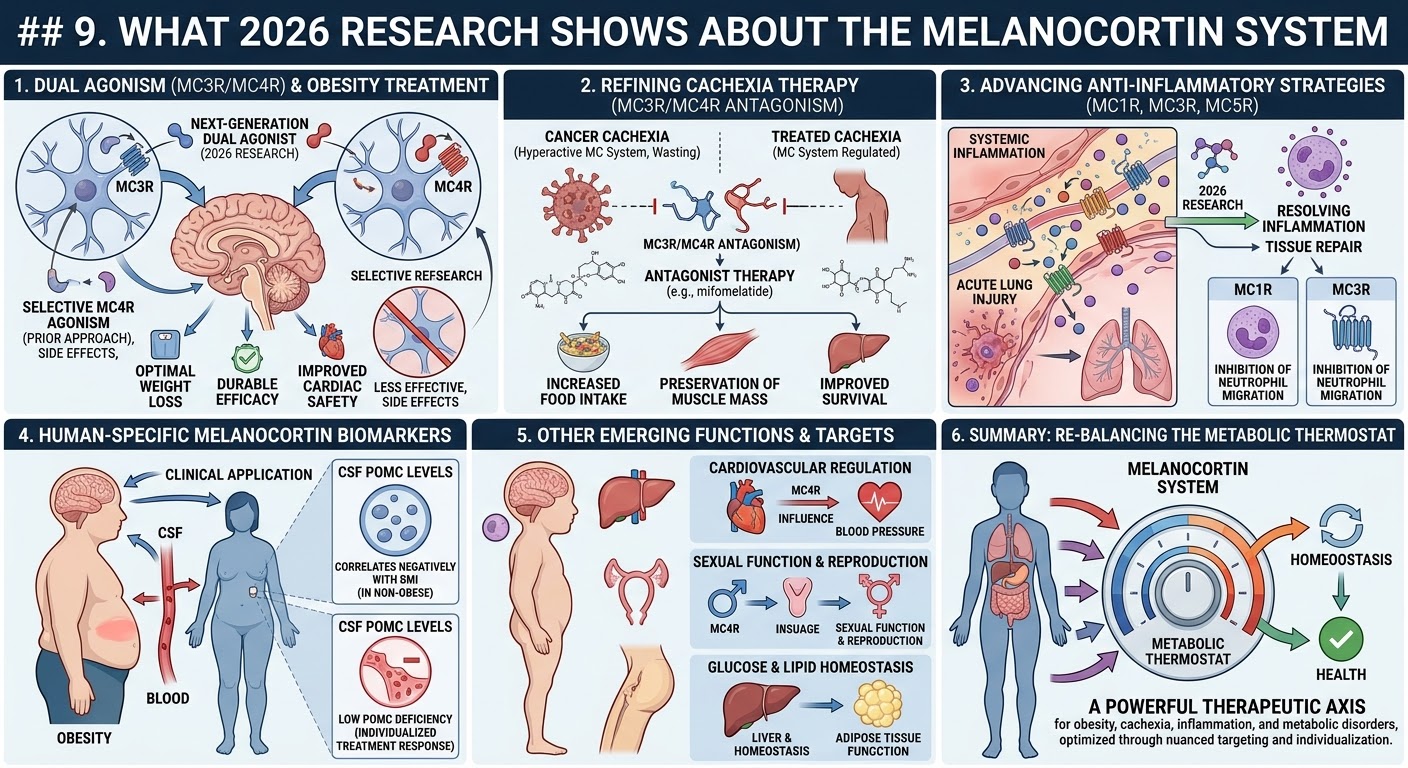
What is a melanocortin peptide science showing in the most current literature?
The Calcium Cofactor Discovery
The melanocortin-4 receptor is involved in energy homeostasis and is an important drug target for syndromic obesity. Calcium is identified as a cofactor that is complexed with residues from both the receptor and peptide ligand. Extracellular calcium increases the affinity and potency of the endogenous agonist alpha-melanocyte stimulating hormone at the MC4R by 37-fold and 600-fold respectively. The ability of the MC4R crystallized construct to couple to ion channel Kir7.1 while lacking cyclic adenosine monophosphate stimulation highlights a heterotrimeric GTP-binding protein independent mechanism for this signaling modality.
This structural finding fundamentally changes the understanding of MC4R pharmacology. The discovery that extracellular calcium increases alpha-MSH binding affinity by 37-fold and potency by 600-fold at MC4R reveals a previously unknown regulatory mechanism for the central energy homeostasis circuit. The calcium cofactor interacts with residues from both the receptor and the peptide ligand simultaneously, creating a ternary complex that dramatically stabilizes the peptide-receptor interaction.
MC4R Accessory Proteins and Cofactors
A 2026 update in the Journal of Neuroendocrinology on the role of accessory proteins and cofactors in regulation of melanocortin-4 receptor signalling has expanded understanding of how MC4R function is modulated beyond the ligand-receptor interaction itself, with implications for interpreting the diverse downstream effects of MC4R activation across different cellular contexts.
Cyclic Peptidomimetics
A 2026 RSC Medicinal Chemistry paper examining diverse ring architectures of cyclic peptidomimetics targeting melanocortin receptors documented advances in developing receptor-selective compounds that overcome the selectivity limitations of natural melanocortin peptides. These cyclic structures constrain the HFRW pharmacophore in conformations that favor binding to specific receptor subtypes.
This line of research addresses one of the central challenges in melanocortin pharmacology: the natural peptides activate multiple receptor subtypes simultaneously, making it difficult to study the contribution of individual receptors to biological outcomes. Selective cyclic peptidomimetics provide research tools for dissecting receptor-specific biology.
Further detail on current research directions is available through the National Library of Medicine and peer reviewed research databases.
What is a melanocortin peptide in simple terms?
What is a melanocortin peptide at its most basic is any member of a family of peptide hormones derived from the POMC precursor protein that activates one or more of the five melanocortin receptors (MC1R through MC5R). All natural melanocortin peptides share a conserved four amino acid sequence (HFRW) that is responsible for receptor activation.
What is POMC and how does it produce melanocortin peptides?
POMC is pro-opiomelanocortin, a 267 amino acid precursor protein produced in the pituitary, hypothalamus, skin, and other tissues. Different tissues process POMC using different enzymes, producing different combinations of ACTH, alpha-MSH, beta-MSH, and gamma-MSH depending on the cellular context.
What is the HFRW motif and why does it matter?
The HFRW motif is the four amino acid sequence histidine-phenylalanine-arginine-tryptophan that is conserved across all natural melanocortin peptides and is the minimum sequence required for receptor activation. It is the pharmacophore of the melanocortin class, meaning it is the structural core responsible for receptor binding and activation.
What is MC4R and why is it so heavily researched?
MC4R is the melanocortin-4 receptor, expressed primarily in the hypothalamus and brainstem where it functions as a central regulator of energy homeostasis. Alpha-MSH activation of MC4R suppresses appetite and increases energy expenditure while AgRP antagonism promotes appetite. MC4R mutations are the most common known monogenic cause of severe obesity in humans, making it one of the most important drug targets in metabolic medicine research.
What is a melanocortin peptide role in inflammation?
What is a melanocortin peptide doing in inflammation is activating anti-inflammatory signaling through MC1R, MC3R, and MC4R on immune cells including macrophages, neutrophils, and T-cells. Alpha-MSH and ACTH have documented anti-inflammatory effects that suppress pro-inflammatory cytokine production and reduce immune cell adhesion molecule expression through mechanisms independent of their classical pigmentation and steroidogenesis functions.
What is the significance of the calcium cofactor discovery for MC4R?
The structural biology finding that extracellular calcium functions as a cofactor that increases alpha-MSH affinity at MC4R by 37-fold and potency by 600-fold reveals a previously unknown layer of MC4R regulation. It means that local calcium concentrations in the hypothalamic environment are part of the regulatory context for melanocortin signaling, and that research designs not accounting for calcium availability may underestimate the actual potency of melanocortin peptides at MC4R.
What is a synthetic melanocortin peptide analog?
What is a melanocortin peptide when synthesized rather than naturally produced is a compound designed to activate one or more melanocortin receptors with modified properties compared to natural peptides. NDP-alpha-MSH (afamelanotide) is a synthetic superpotent analog approved for erythropoietic protoporphyria. Bremelanotide is an MC4R targeting cyclic peptide approved for hypoactive sexual desire disorder. Research analogs are being developed with enhanced receptor selectivity through cyclic peptidomimetic architectures.
This post is part of the Pepkitshop compound education series. Related reading:
Subscribe for updates as this educational library continues to grow, evidence based peptide science explained clearly without hype.
This content is for educational and informational purposes only. It does not constitute medical advice, diagnosis, or treatment recommendations. Research peptides are for laboratory use only and are not approved for human consumption or therapeutic use. Always consult a qualified healthcare professional before making any decisions related to your health.
10-vial kits • Capsule packs as listed • Research use only
© 2026 Pepkitshop. All rights reserved.
Vial product prices are per kit of 10 vials. Quantity 1 = 10 vials. Capsule products retain the pack size stated on their listing.
All products are supplied strictly for laboratory research. They are not intended for human or veterinary use, consumption, diagnosis, or treatment.
WhatsApp us

