
No products in the cart.

By Pepkitshop | Peptide Coach & Educator
Updated July 2026 | Educational Content Not Medical Advice
What does research use only mean and why does this phrase appear on so many peptide-related products and documents?
If you have spent any time exploring peptide science, you have almost certainly encountered this label. It appears on vials, websites, and documentation with very little explanation of what it actually means, what legal framework it exists within, or why it matters for anyone seeking to understand the science seriously.
This guide answers the question completely and honestly. By the end you will understand what does research use only mean from a regulatory standpoint, how it differs from other legal categories, and what the major 2026 FDA reclassification means for the peptide landscape going forward.
If you are new here, start with our foundational guide on [what a peptide and purity is] before continuing understanding the science first makes the regulatory picture much clearer.
What does research use only mean in plain terms?
It is a regulatory designation indicating that a compound is intended strictly for laboratory and scientific research purposes not for human consumption, clinical treatment, or veterinary use.
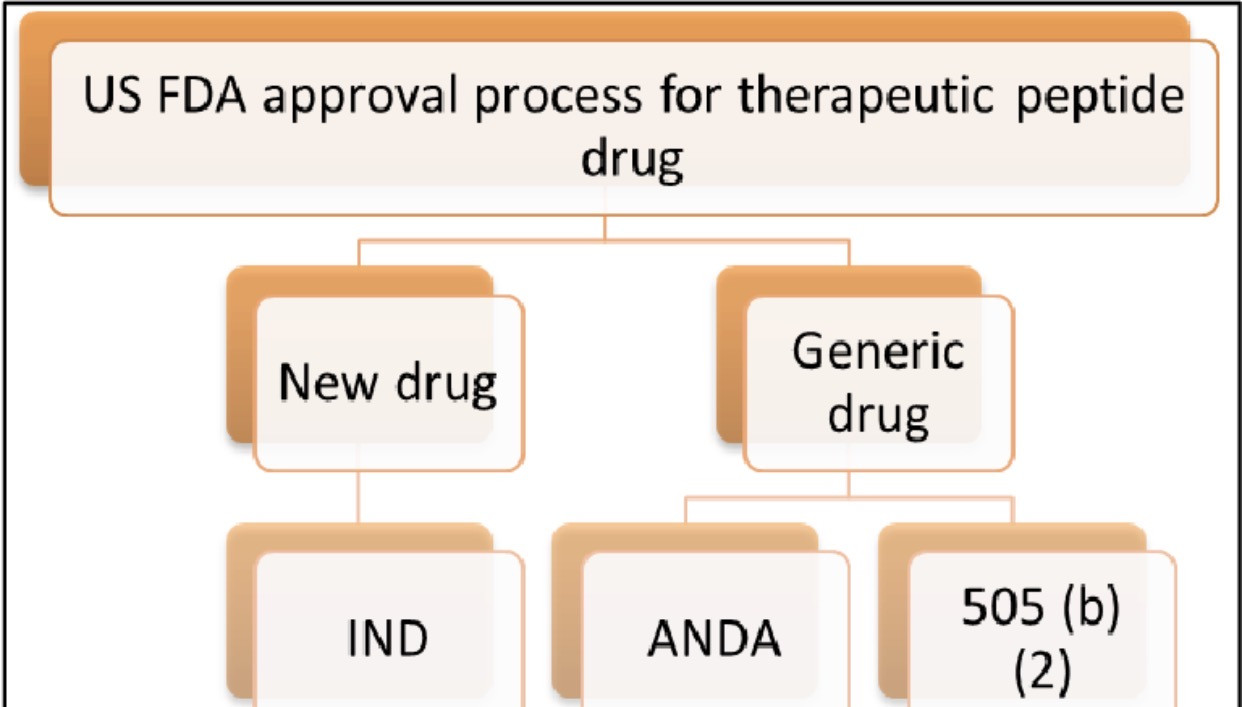
When a product carries a Research Use Only label commonly abbreviated as RUO it signals that the compound has not gone through the FDA approval process required for human therapeutic use. It has not been evaluated for safety and efficacy in human clinical trials. It has not been approved for any diagnostic, treatment, or prevention purpose.
What does research use only mean for the scientists and researchers who use such compounds? It means the compound is legally supplied for in vitro research (studies conducted in laboratory equipment outside a living organism) and in vivo research (studies conducted within a living organism in a controlled research setting) but not for personal use or clinical administration to patients.
This distinction is not a technicality. It is a fundamental regulatory boundary that exists to protect public safety and maintain the integrity of the scientific process.
Understanding what does research use only mean requires understanding the legal framework it exists within.
In the United States, the FDA regulates compounds intended for human use under the Federal Food, Drug, and Cosmetic Act (FD&C Act). For a compound to be legally administered to humans for therapeutic purposes, it must go through a rigorous approval process including preclinical safety studies, phase I, II, and III clinical trials, and a formal New Drug Application (NDA) or Biologics License Application (BLA).
Research Use Only compounds operate outside this clinical framework. They are regulated separately governed by rules that apply to laboratory research supply rather than pharmaceutical manufacturing for human use.
This means several things in practice:
Manufacturing standards differ. RUO compounds are not required to meet the same current Good Manufacturing Practice (cGMP) standards as FDA-approved pharmaceuticals. Quality and consistency can vary significantly between suppliers.
No efficacy claims are permitted. Suppliers of RUO compounds cannot legally make claims about therapeutic effects, treatment outcomes, or health benefits. Any such claims on an RUO product are a regulatory violation.
No dosing guidance for humans is provided. Because the compound is not approved for human use, no legitimate RUO supplier provides dosing instructions for human administration.
Liability is limited. The RUO designation transfers responsibility for appropriate use to the researcher. The supplier’s legal obligation ends at providing the compound for its stated research purpose.
What does research use only mean compared to other legal categories peptides can fall into?
The regulatory landscape for peptides is more layered than most people realize. Here is a clear comparison of the main categories:
| Category | Legal Status | Requires Prescription? | Human Use Permitted? | Examples |
|---|---|---|---|---|
| FDA-Approved Drug | Fully approved | Yes | ✅ Yes prescribed use | Semaglutide, Tesamorelin |
| 503A Compounded | Legal with prescription | Yes | ✅ Yes physician supervised | BPC-157 (post-2026 reclassification) |
| 503B Compounded | Legal outsourcing facility | Yes | ✅ Yes bulk clinical supply | Various compounded peptides |
| Research Use Only (RUO) | Legal for research | No | ❌ No laboratory use only | Most research peptides |
| Gray Market | Legal gray area | No | ❌ Not approved | Unverified online vendors |
| Banned/Controlled | Illegal | N/A | ❌ No | Certain scheduled compounds |
Each category carries different legal obligations, quality standards, and appropriate use contexts. Understanding where a compound sits in this framework is foundational to approaching peptide science responsibly.
To fully understand what does research use only mean, it helps to understand how the FDA categorizes peptides more broadly.
The FDA regulates peptides through several overlapping frameworks depending on their intended use:
FDA-Approved Peptide Drugs
These are peptides that have completed the full clinical trial and approval process. They can be legally prescribed and administered to patients. Examples include semaglutide for metabolic health and tesamorelin for HIV-associated lipodystrophy. These compounds have established safety and efficacy profiles in human populations.
Section 503A Compounding Pharmacies
These are state-licensed pharmacies that prepare customized medications for individual patients based on valid prescriptions from licensed healthcare providers. They operate under the oversight of state pharmacy boards and must comply with FDA guidelines regarding which bulk drug substances can be used.
Section 503B Outsourcing Facilities
These are federally registered facilities that produce larger volumes of compounded medications typically for use in clinical settings rather than individual patient prescriptions. They are subject to cGMP standards and FDA inspection.
Research Use Only Compounds
As described above, these are compounds supplied strictly for laboratory research. They fall outside the clinical compounding framework entirely. The Category 2 restrictions and subsequent 2026 reclassification apply specifically to the 503A and 503B compounding categories not to RUO laboratory supply, which is governed by a separate regulatory framework.
This distinction is critical and frequently misunderstood. RUO compounds and compounded clinical peptides are regulated under different rules. A change in the compounding status of a peptide does not automatically change its RUO availability or vice versa.
The peptide regulatory landscape shifted significantly in early 2026 and understanding what does research use only mean now requires understanding this context.
In February 2026, U.S. Health and Human Services Secretary Robert F. Kennedy Jr. announced that approximately 14 of the 19 peptides placed on the FDA’s restricted Category 2 list in 2023 were expected to be moved back to Category 1 status. This announcement, widely reported across health and wellness media, represented the most significant shift in peptide regulatory policy in several years.
What did this change mean specifically?
The Category 2 restrictions implemented in 2023 had removed certain peptides from the list of bulk drug substances that 503A compounding pharmacies could legally use to prepare medications for patients. Compounds including [BPC-157] were affected by these restrictions.
The 2026 reclassification is expected to restore a legal, physician-supervised pathway for these compounds through licensed compounding pharmacies. As of July 2026, the formal regulatory process is still in motion the Pharmacy Compounding Advisory Committee (PCAC) is scheduled to review seven restricted Category 2 peptides at a July 23–24, 2026 hearing under Docket No. FDA-2025-N-6895.
What this change does NOT affect:
The RUO framework for laboratory research supply is governed separately from the 503A/503B compounding framework. The 2026 reclassification applies to clinical compounding access it does not change the fundamental meaning or status of Research Use Only designations for laboratory supply.
This is one of the most important distinctions to understand clearly. Social media and online forums moved faster than the actual regulatory changes and significant misinformation circulated about what exactly changed and for whom.
Understanding what does research use only mean also requires understanding what it does not mean.
It does not mean the compound is safe for human use.
The absence of a prohibition is not an endorsement of safety. RUO compounds have not been evaluated in human clinical trials. Their safety profile in humans including appropriate doses, potential side effects, drug interactions, and long-term effects is not established through the RUO designation.
It does not mean the compound is high quality.
The RUO label says nothing about purity, authenticity, or manufacturing standards. As covered in our guide on [peptide purity], independent research has found significant variation in actual purity levels across suppliers claiming to provide research-grade compounds. The label alone is not a quality guarantee.
It does not mean clinical claims are true.
Marketing language around RUO compounds frequently implies therapeutic benefits. Legally, suppliers cannot make these claims. When they do, they are operating in violation of FDA regulations and such claims are not validated by the compounds’ research status.
It does not mean personal use is legal or safe.
Some individuals obtain RUO compounds for personal use outside a clinical or research context. This is not the intended use of RUO-designated compounds. It exists outside both the clinical framework that protects patients and the research framework that governs legitimate scientific use.
Misconception 1: “Research use only means it works but isn’t approved yet.”
The RUO designation says nothing about efficacy. It simply means the compound has not completed the approval process required for human therapeutic use. Many compounds never complete that process for a variety of reasons unrelated to their effectiveness.
Misconception 2: “The 2026 reclassification made research peptides legal for personal use.”
The 2026 regulatory shift applies specifically to clinical compounding access through licensed pharmacies with valid prescriptions. It did not change the legal status of RUO compounds for non-research personal use.
Misconception 3: “All RUO peptide suppliers provide the same quality.”
Quality varies enormously. The RUO designation has no quality standard attached to it. Independent testing has documented significant differences in actual purity levels across suppliers all claiming the same designation.
Misconception 4: “Research use only is a loophole.”
The RUO framework exists to enable legitimate scientific research not to provide a legal workaround for personal use of unapproved compounds. Using this framework as a loophole creates legal and safety risks for the individual and undermines the integrity of legitimate research.
What does research use only mean is one of the most common questions in the peptide education space. It means the compound is legally supplied for laboratory and scientific research purposes only not for human consumption, clinical treatment, or personal use.
No. What does research use only mean from a legal standpoint is that the compound exists in a legitimate regulatory category for laboratory research supply. It is not illegal to supply or purchase RUO compounds for genuine research purposes.
The RUO designation does not establish or confirm safety for human use. It means the compound has not been through the FDA approval process that evaluates safety and efficacy in human clinical trials.
The 2026 reclassification applies to the 503A clinical compounding framework not to the RUO laboratory research framework. These are governed by separate regulatory structures. What does research use only mean did not change as a result of the 2026 announcement.
FDA-approved compounds have completed clinical trials demonstrating safety and efficacy for specific human uses. What does research use only mean is that no such approval process has been completed the compound is for research investigation, not established clinical application.
The most current and authoritative information is available directly through FDA official guidance and through published research in the National Library of Medicine.
Continue Learning
This post is part of a growing educational library on peptide science. Related reading:
[What Is a Peptide?] — The foundational guide to what peptides are and how they work as biological signals [What Is BPC-157?] — A deep dive into one of the most researched recovery peptides and what the science actually shows [What Is Peptide Purity?] — How to read a Certificate of Analysis and why purity matters for research reliabilityWhat Is the Difference Between 503A and 503B Compounding? — Coming next in this seriesSubscribe for updates as this educational library continues to grow evidence-based peptide science explained clearly without hype.
This content is for educational and informational purposes only. It does not constitute legal advice, medical advice, diagnosis, or treatment recommendations. Regulatory frameworks change always verify current status through official FDA guidance and consult qualified legal and healthcare professionals for specific situations.
✔ Lab Tested
✔ Secure Checkout
✔ Fast Shipping
© 2026 Onyx Research. All Rights Reserved.
Disclaimer: All products sold on this website are intended strictly for laboratory research purposes only.
They are not for human consumption, medical, or diagnostic use.
By purchasing, you agree to comply with all applicable laws and regulations.
WhatsApp us
 Optimized by Seraphinite Accelerator
